He was protecting me from you.
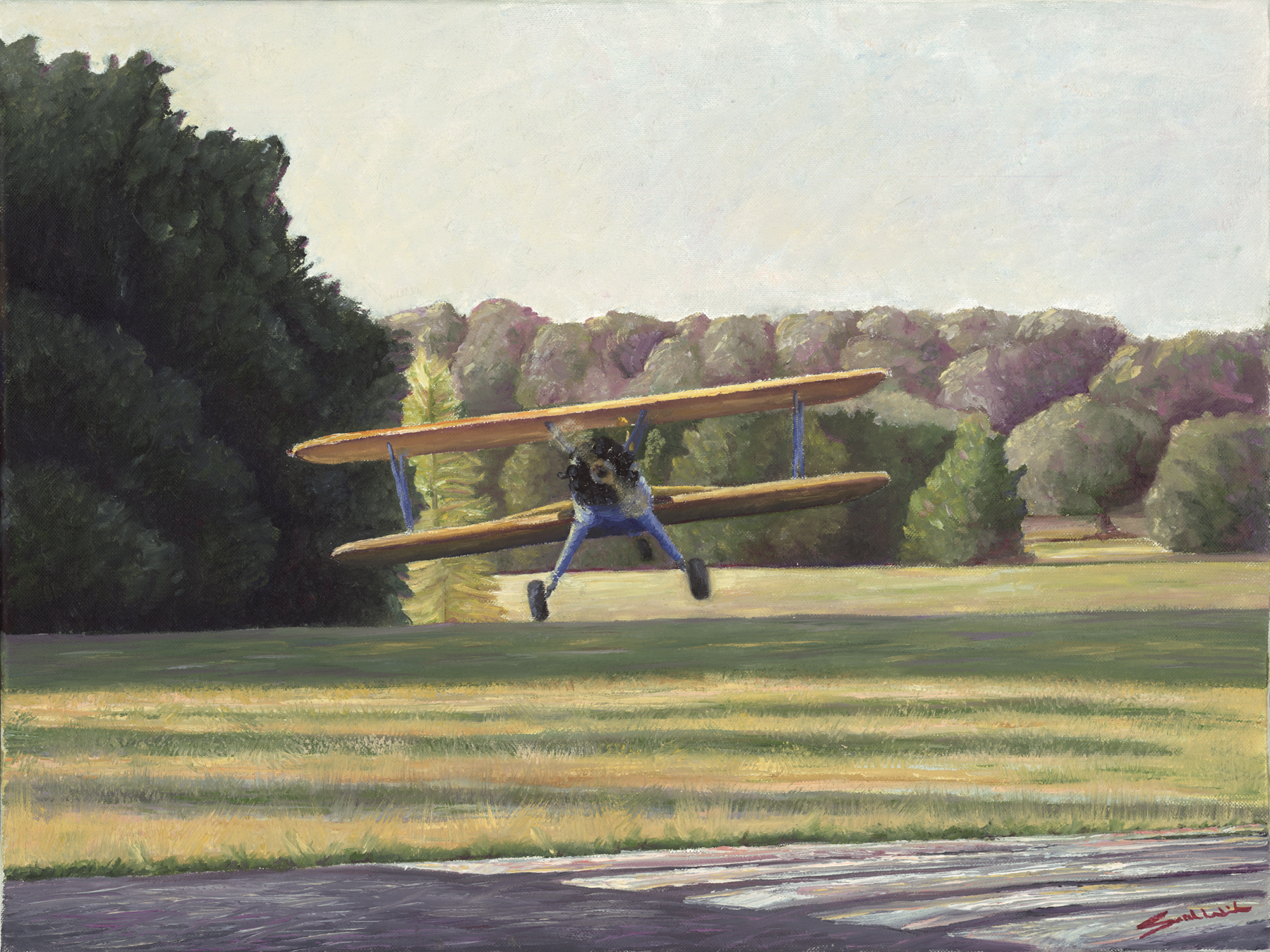 Missing the missing man. We saved a slot for him in the sky on the airshow fly-by. Look up. Do you see him in the space we erased? I do. Look down, he’s standing right in front of you. Go on. Keep talking about the planes and how many men were killed in them. About sacrifice and the meaning of loss. He’s listening to every word you say. Can’t you see his fuse ignite. He’s smoldering inside. Internal detonation. It wasn’t a sentimental journey to him. But he won’t say a word to you. You just keep looking at the planes. Commemorating the dead, forget about the living. Enjoy the airshow. You don’t see what you’re missing, but I do.
The missing man’s signaling dot, dot, dot. Dash, dash, dash. Dot, dot, dot from the inside. Morse coding right now SOS. An anxiety attack. His shoulders are starting to shake, his chest is heaving, holding back his sobs. Code Red. Men don’t cry. His head moves. Left and then right, to see if anyone is watching him. I am. I’ll give you something to cry about soldier. We discipline our own. The missing man folds his arms across his chest. Squeezes his biceps, his fingers digging trenches into them. Silently ordering himself to “hold it together.” Beat yourself up and stuff those emotions down. Don’t loose it in a public place. The missing man’s shoulders are shaking harder. Everyone is looking at the airplane formation and missing this man misfiring. Breaking down in front of me. Do something. Help him. I walked up and stood beside him, just close enough so my shoulder was touching his. “Would you like a piece of gum?” I said. Handing the pack of Beemans gum I kept in Buddy out to him. Startled he slapped the tears off his face. He didn’t say anything but his frame relaxed. He didn’t just take one piece, he took the whole pack of Beemans. Pascal’s Wager won. Embarrassed, he turned his head away and looked up at the airplanes. Silent still. As he chewed a piece of gum I could hear his breathing slow down. I stood completely still too. It seemed like a long time until he spoke but it probably was less than a minute when he said, “It should have been me.” The man standing next to me at Sun n Fun was missing the missing man and wanted to go with him.
Fighter pilots, fighting machines, Top Guns. They can be the hardest to read. Not the WWII veterans, they’re just happy to see their ‘old friend’ Stearman again. The veterans who fought in Afghanistan and Iraq are the ones I find incredibly interesting to fly with. Challenge coins, each one of them. Many are postwar byproducts spring-loaded with PTSD symptoms. Minutemen addicted to adrenaline and hotheads. Being a flight instructor for so long, and an empath, I am pretty good at spotting them. They’re war horses, easily spooked. If you’ve ever had horses, you know the best way to get a horse to let you approach is to calm yourself first. When I saw their hands shaking, strapping themselves into the military harness without assistance, I would slow everything down. Become as calm of a presence as I could. They were full of anxiety about flying. They had a love/hate relationship with airplanes that had nothing to do with me. All CFI’s monitor the temperature of a flight. The skilled ones regulate it. I discovered a secret weapon that would lower their stress level and the temperature of the flight. After I saw my Top Gun’s eyes, down and locked on the panel, staring at the instruments compulsively. Overheating and sweating. I would reach up and tickle him until he started to laugh. In the WWII Stearman’s you can reach the front-seater and touch them. It’s an interesting method of regulating a fighting machine, but it works. I could feel them physically cool down once I got them to laugh. Laughing helps retrain the brain. Increases short-term memory and significantly decreases the stress hormone cortisol. Laughter is proven to be very good medicine. The fighting machines came back from the flight lighter than when they left.
Beemans gum. The gum of test pilots. The ones with The Right Stuff came home and after what they’ve been through, found everything changed. The Boeing Stearman, Model 75 WWII trainer, was based on Lloyd Stearman’s Model 6 design. The “Cloudboy.” Boeing bought the Stearman Aircraft Factory and they changed the mission of the airplanes built there. Flying machines became fighting machines. If a little fabric Stearman trainer taught Cloudboy’s to go to war, it could teach them how to come home too.
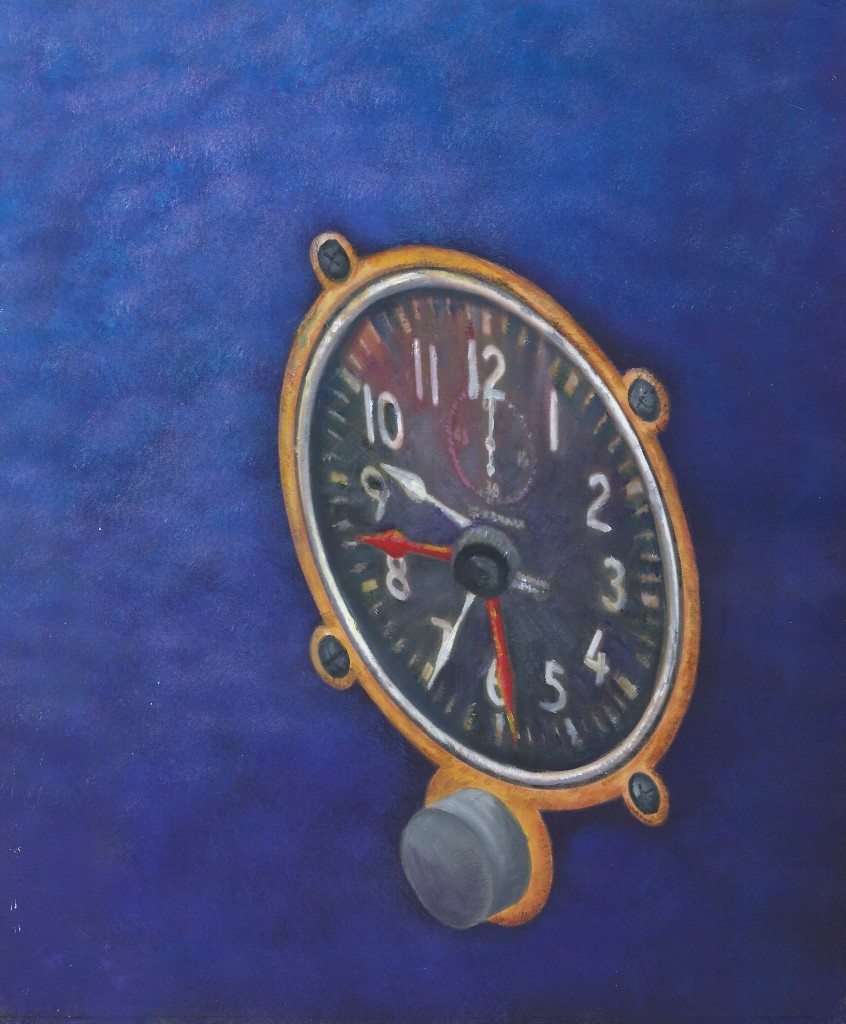 A clocca is a clock. A clock is a bell. A bell marks a watch. From the tower each hour, the Watchman calls, “All’s well.” Wæccende, Boatman, remain awake. Ships watch changes four quarters a day. Thirty minutes, turn the double bubble upside down. Second Dog Watch finished. Eight bells and all is well. First Watch has begun. Not till the pendulum swing, did a second make the face. Chronostasis took place. Men put time in their pockets, chained to their vests. Shackled time to their wrist. Wound themselves up by the crown with their free hand. No longer Watchman standing watch. They were just men, watching a clock.
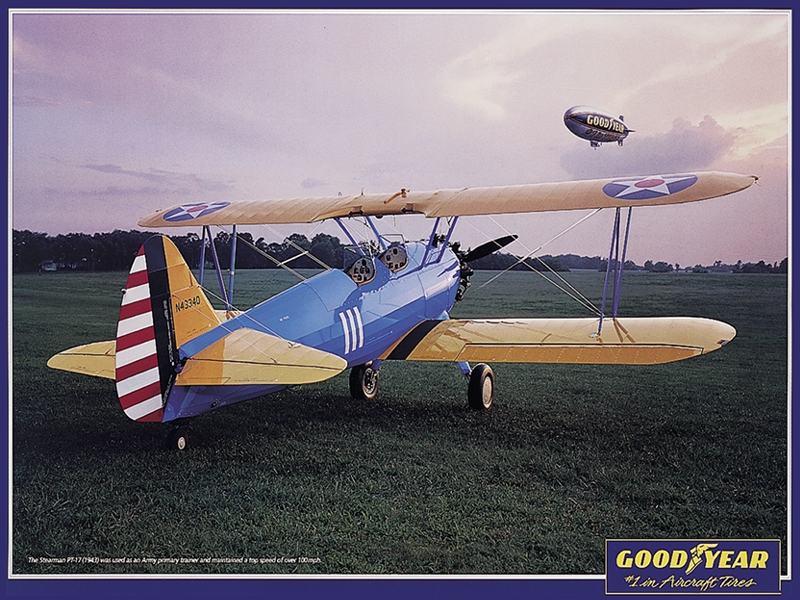 In the years counting up to the time you start growing young again, it is easy to forget the worst thing that can happen to anyone is losing their first best friend. People worry about losing so many things, because people think they get to own everything, but that’s the best part of a friend. Friends choose you and you choose them.
 Twelve months gathered around the Thanksgiving table, each one was asked to say why they were grateful and what they brought to share. Sitting by their friends, in cliques of seasons, winter began. December fell frozen in thought, “I am grateful to have been a Lifeguard Pilot. I share all the lives I saved.” I raced through eight-day weeks and twenty-five hour nights, declaring priority with people coding in my hull, to bring broken bodies back to safety. January rang in resolutely, “I am grateful to have been a Co-pilot. I share all the assistance I gave.” Your right seat companion, your second set of eyes, I thought thoughts before you said them. Privileged to be your partner in flight. February smiled seductively and blew a kiss across the table, tracing a heart in its breath. “I am grateful I have been a passenger. I share all the admiration I gave.” A sleepy head on your shoulder, I looked up at you starry-eyed. I couldn’t imagine the courage it took to be a pilot. You made me feel so safe I lost all fear of flying, flying with you.
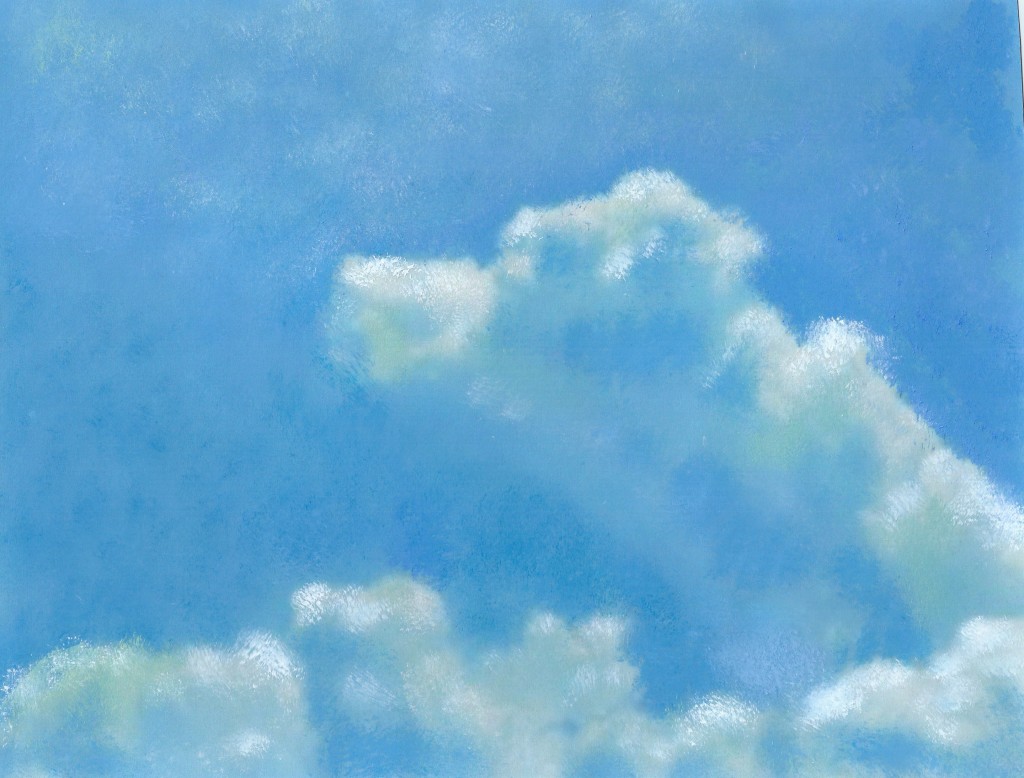 The sun’s been up all day waiting for you. Climb up here and sit on my lap, there’s something I want to tell you. Let’s buckle you up, under my belt. Now put your hands on the stick and fly along with me. See that cloud up there? The fluffy one with the big nose, that’s puffing in and out. It’s smelling you. It thinks you smell like peanut butter and baby shampoo. Your turn, pick a cloud and breathe in. What do you smell? Don’t be embarrassed, no one can hear you up here. “Rain?” Good. What else? Use your imagination, breathe in again and tell me what you smell? “Puppy breathe.” Excellent! Guess what I smell? Chalk, let me tell you why.
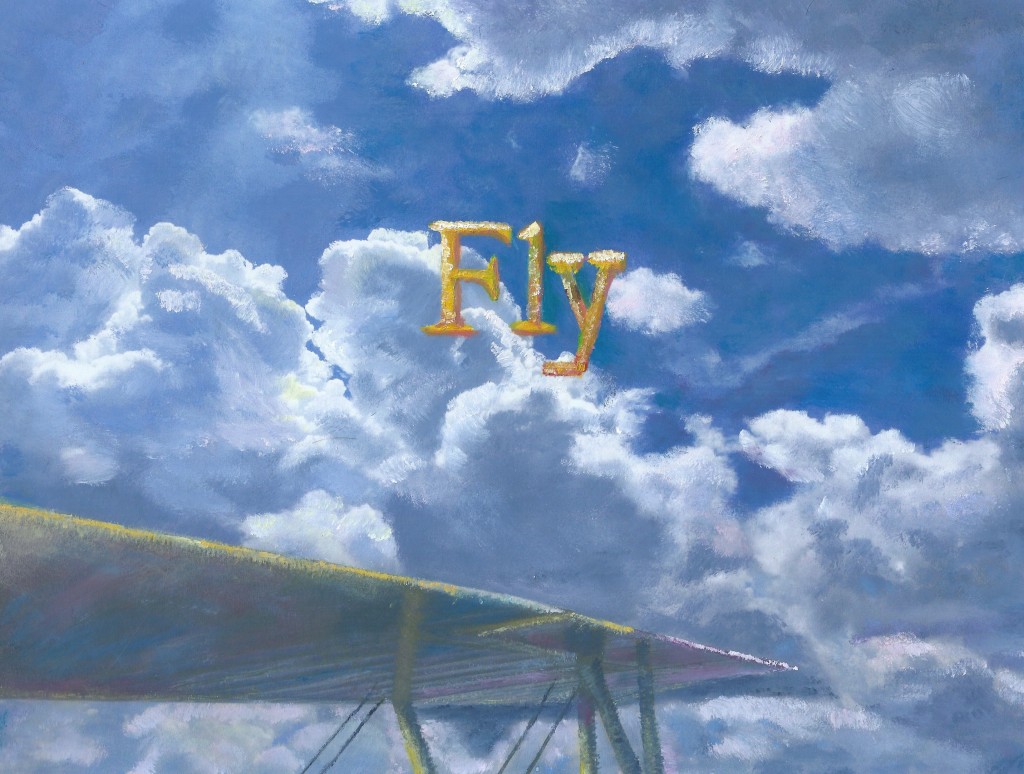 If you saved every word you said in the air, what would your story be? Starting as a student pilot, childish words skip out of your mouth and trip over your microphone. Stubbing your mind just trying to say – who you are, where you are, and what you want to do. Your flight instructor, always correcting and editing your transmissions, has sent you on a solo flight. Tongue twisted, finger shaking, afraid to push to talk – you wait. Blushing and rushing through each phrase in your memory bank, you race to catch up with your words before they runaway with your thoughts. Finally you transmit, and a novel pours out of you. “Silence,” A mysterious voice interrupts. “The airwaves are full of pilots telling their stories. We only have slots for four words per pilot, per lifetime. Choose carefully the words you choose to say.” Picking up your courage from the piles of emotions scattered around your head. Sifting through your thoughts, you go digging for the perfect word. A word reaches up, like an outstretched hand, lifting your tongue up off its knees to speak. A word so soft, it whispered right by your mind and out the other side, before you noticed it had been there all the time. You open your mouth, press the switch, close your eyes, and leap. “Fly.” And so the first word of a pilot’s story is written in the sky.
 There is a door in my front seat, a Gibb door, streamlined and finely crafted. A secret passage. If closed, it’s hidden along the sleek physique of my plane. I leave it open, like an open invitation. Nothing is as welcoming as an open-cockpit biplane with an open door. A leather strapped hinged hug swings out to greet you. A crooked smile spreads across the face of the fuselage of my plane. Grinning wing to wing. Welcome back. Welcome home. Climb in, buckle up. Take my hand, take the stick. How long has it been? I can’t wait to show you around the sky. Let’s fly over there, that’s the view I’ve been waiting to share with you. Hang your head over the side. Sit awhile and visit the wind with me. Look how gently the wind runs its fingers across the lake. See it combing through the corn rows, untangling the knots in the wheat? The branches of the trees in the orchard are waving. The wood smoke rising above the meadow is signaling. Watch the wind write a timeline of where it’s been. Still waters next to the shore of the lake, telling tailwheel’s tales of where to safely land.
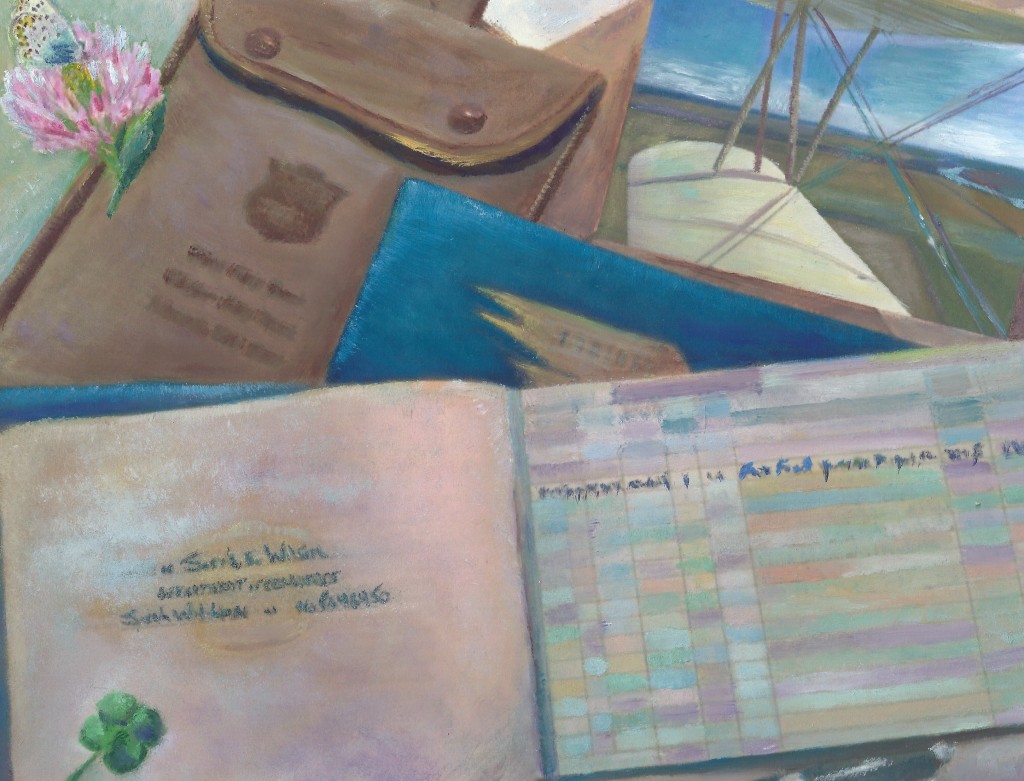 A logbook lays in a box on my hangar floor in the company of things I keep to remind me of where I’ve been. Leather bound lines sit silently in past tense, present yet. Not updated for years, this linear ledger is left unfinished. A cypher waiting to be broken, you might wonder why it stopped when it did? I know the key. A foreigner, I arrived in the New Land of old planes and my world changed. Like an immigrant landing on Ellis Island, I was given the chance to begin my history again. Set free to explore in my Stearman that first summer, I saw undiscovered beauty in the air like second sight. Learning to fly my open-cockpit biplane allowed me to have another first flight. With great freedom comes great responsibility. I wanted to record what I had found for people who were not free to chase their dreams. When I went to write, confining bars confronted me. The logbook I had kept for over a decade looked like a leather bound cage. How could I fit on a single black line what it felt like to land my Stearman in a clover covered field of butterflies? Where was the space big enough to log a life-altering experience? Never one to settle for status quo, I question why everything is what it is.